What Tools You Need to Repair Headphones at Home

A home ear pad swap needs plastic spudgers, tweezers, a small screwdriver, and wipes. That set lifts pads and cleans the ring without metal edges on the cup. A harder repair of the headband mount or cup trim needs the larger kit. Buy the small set first if you are only changing pads.

Which tools do you need for a home headphone repair?

For pads: plastic spudgers, tweezers, a small screwdriver, and wipes. For a harder repair, add the pieces that kit lists for the headband mount and trim. Do not start with a full electronics bench for a cushion swap.

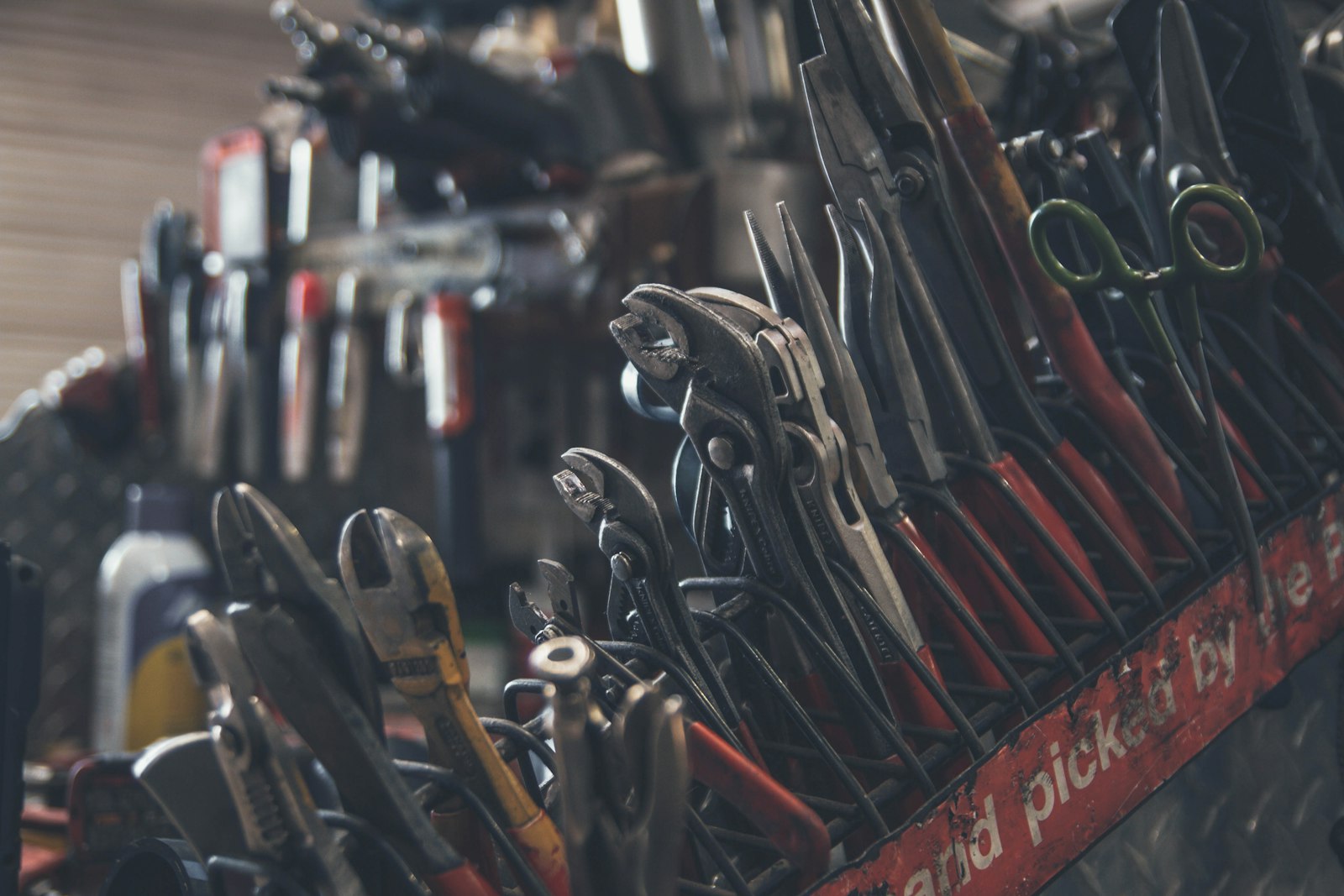
A rack of pliers and hand tools in a workshop.

Spudger

Why are plastic spudgers the first tool?

Plastic spudgers pry pads off without a metal edge on the cup. They are the tool for a simple swap. If the kit is all steel, it is the wrong kit for cushions.

You buy plastic spudgers for ear pads before you buy a drawer of metal. The tool for replacing ear pads is that plastic edge. You can buy an ear pad replacement tool kit built around it. A plastic spudger for ear pads is the first piece. The ear pad replacement kit should lead with plastic, and ear pads with install tools should include that spudger. An ear pad replacement tool that is steel is the wrong edge.

Use plastic pry tools for ear pads at home with no metal edges. In that case plastic spudgers for a simple ear pad swap at home are enough when the job is only cushions. Look for an ear pad tool kit with a spudger tweezers and a small screwdriver when you want those three in one buy. An ear pad tool set with a spudger tweezers and wipes covers the clean step too. Then replacement ear pads with tools and wipes to clean the mounting ring finish the swap in one order.

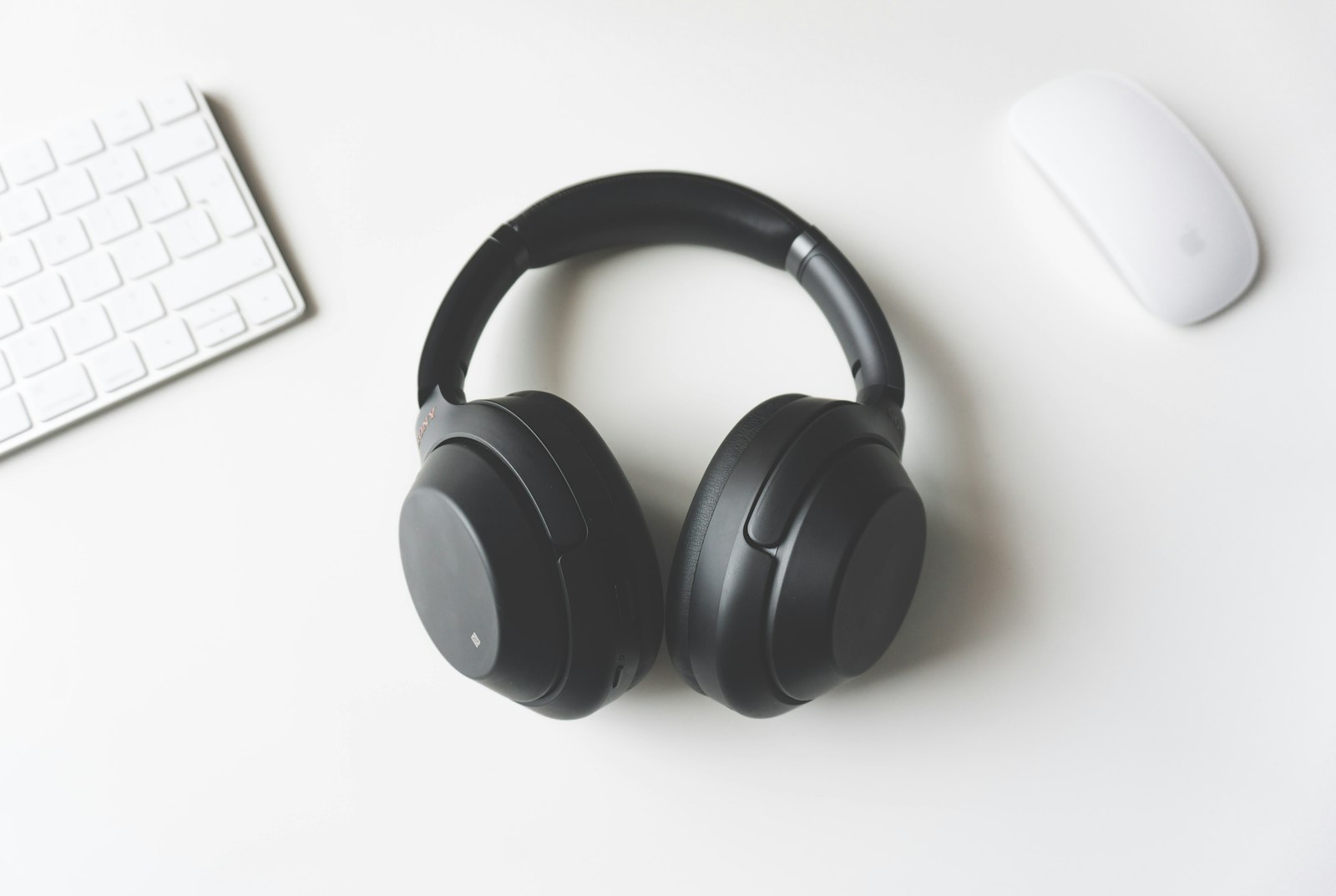
Black over-ear headphones on a white desk beside a keyboard and a mouse.

Tweezers

What are tweezers and a small screwdriver for?

Tweezers pick tabs and stray adhesive. A small screwdriver opens the few screws on a cup or a headband, not the pad itself. They belong in the kit beside the spudger, not instead of it.

Here, tweezers and a small screwdriver for headphones sit next to the plastic, inside a headphone repair tool kit you open only when a screw is actually there. You can buy an ear pad replacement tool kit that includes them without making them the pry. The ear pad replacement kit still leads with an ear pad replacement tool that is plastic. A plastic spudger for ear pads stays first. Any ear pads with install tools should list the tweezers beside it.

A bundle of tweezers and a small screwdriver with a replacement pad set makes sense when you already know a screw holds a ring. An ear pad tool kit with a spudger tweezers and a small screwdriver is that small buy. An ear pad tool set with a spudger tweezers and wipes adds the cloth. An ear pad tool kit for over-ear and on-ear headphones can share those tools. A kit for a harder repair of the headband mount and cup trim is the lower shelf, and it is not required for a cushion.

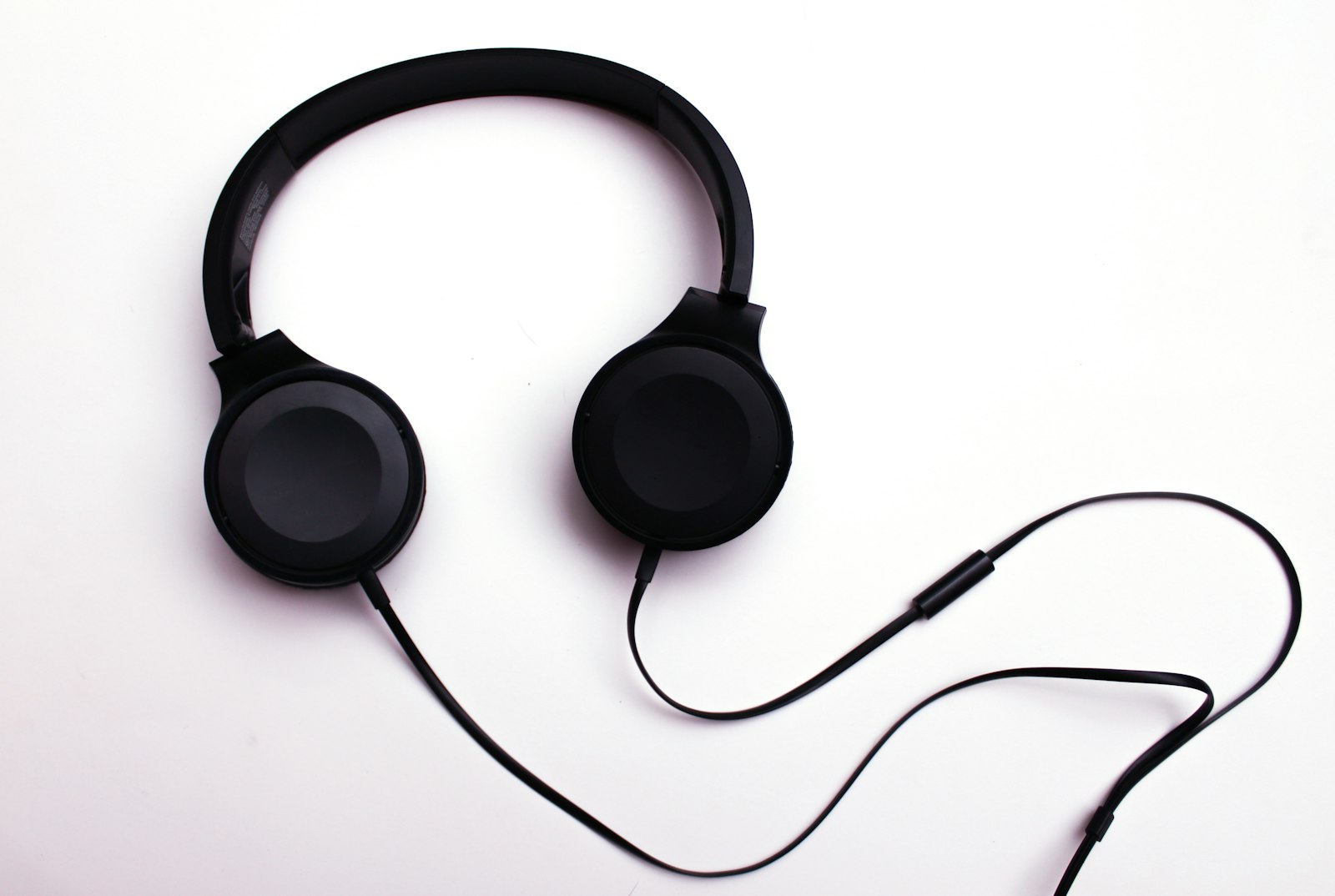
Black on-ear headphones with a long cable and an inline control on white.

Wipes

Why are wipes part of the install?

Wipes clean the mounting ring before the new pad seats. They are not for flooding the driver. A kit that pairs pads, tools, and wipes covers the install in one buy.

Use wipes to clean ear pads before install only on the ring and the pad lip, not on the driver. In that case replacement ear pads with tools arrive more useful when the cloth is in the same parcel. You can buy an ear pad replacement tool kit that includes that cloth. Any ear pads with install tools should list the wipe next to the ear pad replacement kit. The ear pad replacement tool is still the spudger. A plastic spudger for ear pads lifts the old cushion, and the wipe follows.

Keep wipes to clean the pads before you install a new pair off the speaker side. One order of replacement ear pads with tools and wipes to clean the mounting ring covers this shelf. An ear pad tool set with a spudger tweezers and wipes matches that job. Keep plastic spudgers for a simple ear pad swap at home up here. An ear pad tool kit for over-ear and on-ear headphones can share the same cloth and the same spudger, while the pads still have to match each model.

Black over-ear headphones with leather ear pads on a yellow background.

Which tools are enough for a simple pad swap?

Spudger, tweezers, and wipes. A screwdriver only if a screw actually holds a ring. Anything beyond that is for a different job. Split the purchase so a pad swap does not turn into a full repair kit you will not use. A SADES cushion swap stays on this small shelf, and the new pads still have to match that model.

The tool for replacing ear pads on this shelf is plastic. That means replacement ear pads with tools belong here when the job is cushions. You buy plastic spudgers for ear pads, then add tweezers and wipes, before you look at a larger case. A plastic spudger for ear pads, an ear pad replacement tool in the same plastic, ear pads with install tools, and an ear pad replacement kit sized for cushions are the whole simple buy.

On this shelf, plastic spudgers for a simple ear pad swap at home are the start. A headphone repair kit that splits a simple pad swap from a harder repair keeps the extra pieces off this shelf. Use plastic pry tools for ear pads at home with no metal edges as the right edge. An ear pad tool kit for over-ear and on-ear headphones can be this small set. Use wipes to clean the pads before you install a new pair to close the job.
Screwdriver set

Which tools are for a harder repair?

A harder repair of the headband mount and cup trim needs the larger kit: the small screwdriver set plus the parts, not just a spudger. Keep that kit separate so you do not open a driver cavity to change a cushion. Havit yokes belong on this shelf only when the listing sells that part. An ear pad is still a separate order.

A kit for a harder headphone repair lives on this lower shelf. A headphone repair tool kit here includes the screwdriver set and the parts. You can buy an ear pad replacement tool kit for the shelf above and leave it there. The ear pad replacement kit on this shelf is the larger one. An ear pad replacement tool that is only a spudger is not this job. A plastic spudger for ear pads can still ride along, and ear pads with install tools stay optional unless a cushion failed too.

The kit for a harder repair of the headband mount and cup trim is the one that belongs here. A headphone repair kit that splits a simple pad swap from a harder repair is how you avoid opening a driver. A set of tweezers and a small screwdriver with a replacement pad set crosses both shelves only when both jobs are real. An ear pad tool kit with a spudger tweezers and a small screwdriver is still the small set. An ear pad tool set with a spudger tweezers and wipes stays on the upper shelf.

The small kit is what people actually open at a desk. ASUS, Turtle Beach, and Xbox cushions usually come off with a plastic spudger. The pad you put back still has to match that headset.

Which pair should you buy?

Buy the pad-swap kit if you are changing cushions: plastic spudgers, tweezers, wipes, and the pads. Buy the larger repair kit only when the headband mount or trim is the job.

A product link is published only after fit and catalog are confirmed.

Sponsors

FAQ

What tools do I need to replace ear pads at home?

Plastic spudgers, tweezers, wipes, and a small screwdriver only if a screw holds the ring.

Why plastic instead of metal?

A metal edge marks the cup and slips. Plastic pry tools are the right edge for pads.

Do I need a full headphone repair kit for new pads?

No. Split a simple pad swap from a harder repair. The full kit is for the headband mount and trim.

What are the wipes for?

Cleaning the mounting ring before the new pad goes on. Keep moisture away from the driver.

Can one kit cover over-ear and on-ear headphones?

A spudger and tweezers kit can. The pads themselves still have to match each model.

What should I buy with the tools?

The replacement pads. Tools without the pair do not finish the swap.